What to Know About Property Tax on a New Construction Home in Collin County, Texas

If you’re exploring new homes for sale in Collin County, TX, you’re already looking in one of the most desirable, and fastest-growing regions in the country. Families relocating from out of state, first-time Texas buyers, and local homeowners looking to upgrade all gravitate toward new communities like Hillstead thanks to strong schools, beautiful neighborhoods, and impressive quality of life.
But as exciting as your search may be, understanding how Collin County property tax works is a key part of budgeting for your new home. Texas handles property taxes differently than many other states. With the right guidance, you can plan confidently and avoid surprises.
At Hillstead, we know that transparent education is one of the biggest advantages we can offer today’s buyers. This guide breaks down everything you need to know simply and clearly so you can shop confidently for homes for sale in Collin County, Texas and make the best long-term financial decision.
How Property Taxes Work in Collin County
Because Texas has no state income tax, property taxes play an important role in funding local services such as:
- Public schools
- Roads and infrastructure
- Emergency services
- Parks and community improvements
Your Collin County property tax bill is made up of several pieces:
- County tax rate
- City tax rate (varies by location)
- School district tax rate
- MUD or PID fees (not all communities have these)
When comparing homes for sale in Collin County Texas, this combination of rates is what determines your total annual tax payment, not the county alone.
How Collin County Compares to Neighboring Areas
Collin County typically sits in the middle range of DFW property taxes. While some neighboring counties may show slightly lower rates, Collin County’s strong schools, high resale values, and community amenities often offset this difference.
Why Property Taxes Matter for Long-Term Affordability
Since Texas relies on property taxes instead of income taxes, understanding how your tax rate and exemptions work helps you budget accurately, especially in the first few years of homeownership.
What Buyers Should Know About First-Year Taxes on New Construction
One of the biggest surprises for buyers new to Texas is how first-year property taxes work on new construction.
First-Year Assessment Is Often Based on Land Value Only
Because your home may still be under construction on January 1 of the tax year, the appraisal district sometimes assigns taxes based only on the land’s value. This results in lower taxes during your first year.
Second Year = Full Home Value Assessment
Once the home is complete, the county reassesses the land + structure, and your taxes adjust to their true long-term amount. This is normal and expected—it’s not an added fee, simply the point at which your home is taxed at its completed value.
How to Plan for This Adjustment
Most lenders prepare for the second-year increase through escrow estimates. Hillstead Home Builders also guide buyers through this calculation early in the process to ensure budgeting is accurate.
Tip: Ask your lender for an escrow cushion if you’re buying in late construction stages. This prevents shortages the following year.
Understanding the Collin County Homestead Exemption
If the home will be your primary residence, you likely qualify for the Collin County homestead exemption, one of the most important cost-saving tools available to Texas homeowners.
Eligibility Rules
You must:
- Own and occupy the home as of January 1
- Have a Texas driver’s license or ID showing the home’s address
- File the exemption with the county (it’s free!)
How Much Can You Save?
Homestead exemptions reduce the taxable value of your home, lowering your annual tax bill. Thanks to recent changes in Texas law, these savings have increased in many school districts. In some areas, homeowners may also qualify for additional local homestead exemptions; for example, certain counties like Collin County offer exemptions equal to around 5% of a home’s value, with a minimum savings threshold (often about $5,000).
Long-Term Benefits
Homestead exemptions also cap how quickly your taxable value can rise, protecting you from large year-to-year increases.
Quick Tip: File your exemption as soon as you close and move in. Don’t wait until tax season.
Ins and Outs of New Construction Homes in Texas

Choosing a newly built home comes with benefits that many relocating families don’t realize at first:
Efficiency and Lower Ownership Costs
New construction homes include energy-efficient materials, advanced insulation, low-E windows, and modern HVAC systems, all of which can reduce monthly utility costs. This adds financial predictability on top of your regular mortgage and taxes.
Warranties and Peace of Mind
Builders offer warranties on structural components, appliances, roofing, and more. With a new home, you’re less likely to face costly repairs within the first several years, which is something buyers of older resale homes must often budget for.
Customization
From finishes to floorplans, new construction allows you to personalize your space. This appeals to those who want a home tailored to their lifestyle, design preferences, and long-term needs.
Why New Construction Works Well for Relocation Buyers
When starting fresh, buyers appreciate predictable costs, modern utility efficiency, and a community built for today’s lifestyles. These benefits often outweigh any short-term savings from buying an older home.
Why Collin County Is One of the Most Popular Places to Buy a New Home
Collin County consistently ranks among the top places to live in Texas. Cities like Frisco, McKinney, and Prosper attract buyers for good reason:
- Excellent schools with top-tier ratings
- Thriving job market, including major employers in tech, healthcare, finance, and education
- Strong resale values, which help protect long-term investment
- Master-planned communities with modern layouts, trails, pools, and thoughtful amenities
Whether you’re searching for houses for sale in Collin County, Texas or evaluating new construction communities, the area stands out for offering both quality of life and long-term value.
How Hillstead Helps Buyers Navigate the Process
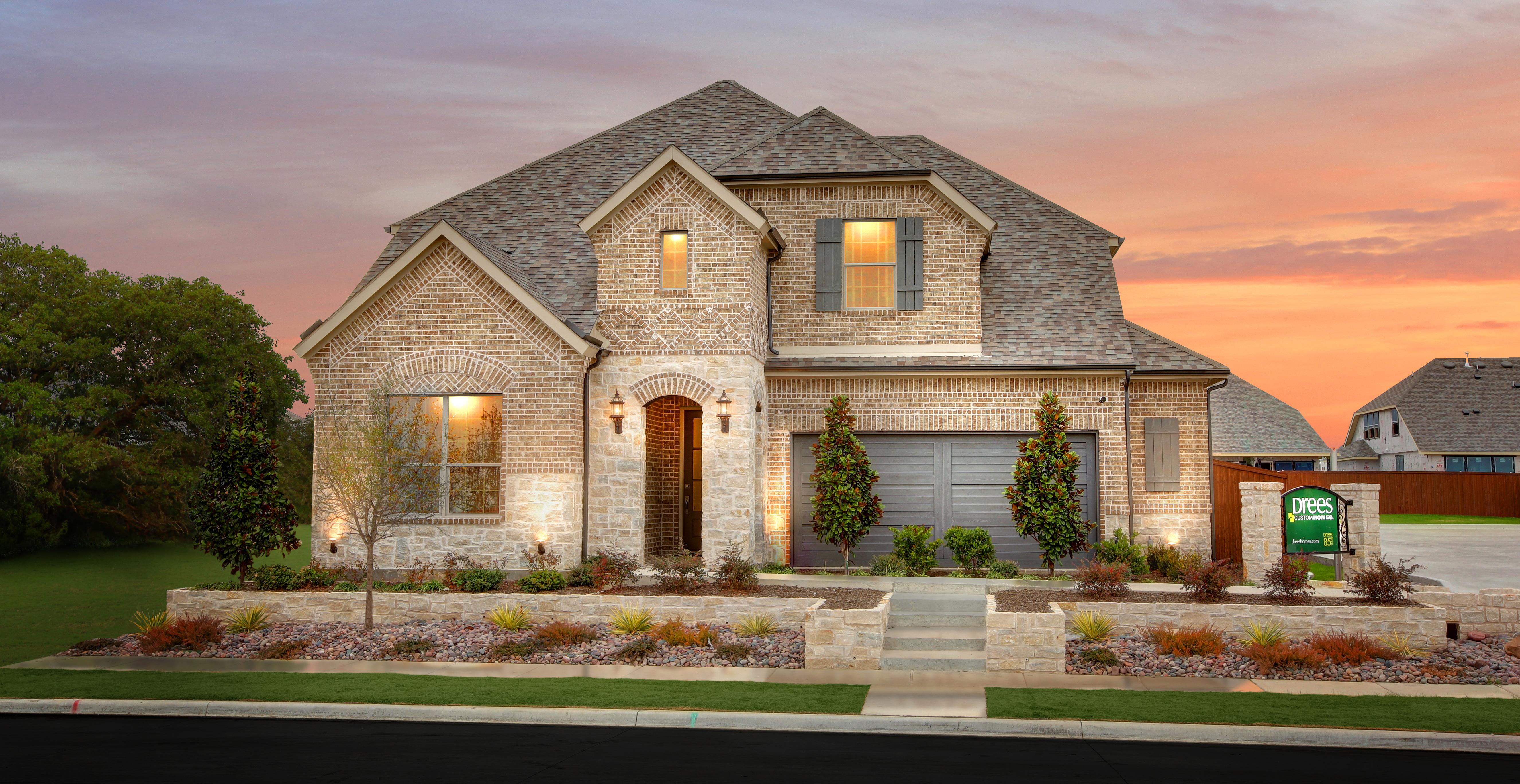
At Hillstead, we know that transparency is essential for relocation buyers and first-time Texas homeowners. That’s why we take a proactive approach to property tax education.
We Provide:
- Clear guidance on estimated tax rates and future assessments
- Assistance in understanding exemption rules and timelines
- Energy-efficient designs that support predictable utility costs
- Community layouts that enhance long-term home value
Hillstead is built for the modern North Texas lifestyle, offering the features buyers want today, with the financial predictability they need for tomorrow.
FAQ
How do property taxes work in Collin County?
Property taxes are based on the combined rates of the county, city, school district, and any local districts. Each rate is applied to your home’s taxable value, which can be lowered by exemptions.
Tip: Ask your lender to estimate your all-in tax rate early in the process.
Are new construction property taxes lower in the first year?
Yes, often. Many new construction homes are taxed at land value only during the first year.
Once the home is complete, the next assessment will include both land and structure.
Example: Your year-one bill may be only a few hundred dollars, then adjust to normal levels the following year.
How does the homestead exemption work in Texas?
The homestead exemption reduces your taxable value if the home is your primary residence.
This lowers your annual tax obligation and limits how fast your taxable value can increase.
Tip: Filing is free—never pay a third party.
What should I know about buying a new construction home in Texas?
New construction offers warranties, efficiency, and low maintenance.
It also requires planning for first-year tax adjustments and understanding local exemptions.
Tip: Ask the builder or lender to walk you through your estimated second-year tax bill.


